
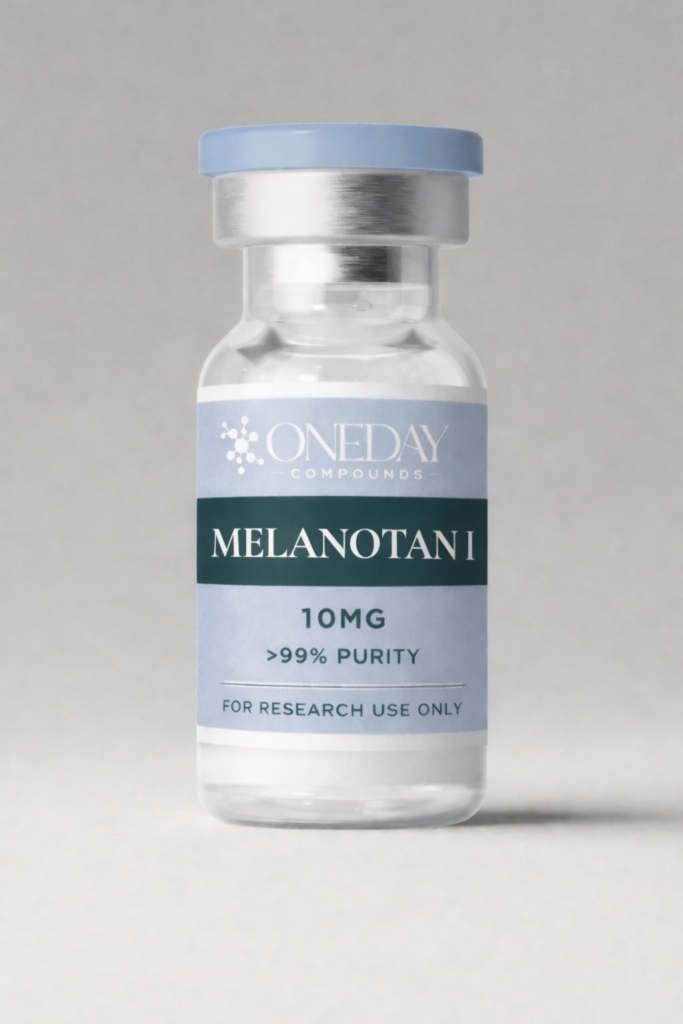
MELANOTAN I 10MG

Original price was: $40.00.$34.00Current price is: $34.00.
Explore Melanotan I 10MG at One Days Compounds. Review product details, quality information, and supplier documentation for research purposes.
Melanotan I 10MG: Research, Quality Standards, and Supplier Guide
Introduction
Melanotan I 10MG is a peptide-related research topic that attracts interest in melanocortin biology, pigmentation, and peptide science. However, understanding the compound, its research background, and its regulatory status is essential before evaluating any product information.
For buyers researching peptides in the United States, product transparency and supplier documentation should be priorities. A reliable supplier should provide clear product descriptions, relevant quality documentation, and accurate information about intended use.
At One Days Compounds, visitors can explore the website’s product information and learn more about evaluating peptide suppliers. This guide explains the science behind Melanotan I, important safety considerations, and the factors to consider when researching peptide products.
What Is Melanotan I 10MG?
Melanotan I is associated with afamelanotide, a synthetic peptide that acts on melanocortin receptors involved in pigmentation. Research into this pathway helps scientists understand how the body regulates melanin production and related biological processes.
Afamelanotide is the active ingredient in SCENESSE, an FDA-approved prescription implant for increasing pain-free light exposure in adults with erythropoietic protoporphyria (EPP), a rare condition involving sensitivity to light. This specific medical approval does not mean that every product marketed as Melanotan I is approved for medical or cosmetic use.
The 10MG designation refers to the stated quantity of material in a product. It does not establish its purity, quality, safety, or suitability for any particular purpose.
For more information about available product categories and supplier information, visit the One Days Compounds website.
Why Is Melanotan I Researched?
Melanotan I is relevant to scientific discussions about melanocortin signaling and pigmentation. Researchers study these biological pathways to better understand how signaling molecules interact with receptors and influence cellular responses.
Several topics are relevant to this field:
- Melanocortin receptors: These receptors participate in multiple biological processes, including pigmentation.
- Melanin production: Melanin contributes to skin, hair, and eye pigmentation and plays a role in the body’s response to ultraviolet radiation.
- Peptide research: Scientists investigate the structure, stability, receptor activity, and biological properties of peptide compounds.
- Clinical research: Afamelanotide has been studied for specific medical applications, including the treatment of adults with EPP.
Importantly, research findings for a regulated prescription medicine should not automatically be applied to products sold under different names, formulations, or specifications.
What Does Current Research Say About Melanotan I?
Research on afamelanotide has established its relevance to melanocortin-1 receptor activity and the regulation of pigmentation. Its approved medical use is specific: SCENESSE is indicated for increasing pain-free light exposure in eligible adults with EPP.
This distinction matters because the evidence supporting an approved medicine does not establish the safety or effectiveness of unapproved products marketed for tanning or other cosmetic purposes.
Anyone researching Melanotan I should review credible scientific literature, official prescribing information, and relevant regulatory guidance. For an authoritative starting point, consult the FDA’s afamelanotide information and the official SCENESSE prescribing information.
Melanotan I products should not be assumed to provide a safe tanning method. Unapproved products may have uncertain composition, quality, or safety, and their use can involve significant risks. A healthcare professional can explain approved options and appropriate precautions.
What Should Buyers Know About Melanotan I 10MG?
When evaluating peptide product information, buyers should look beyond the product name and stated quantity. Clear documentation is more useful than broad claims about quality or performance.
Consider the following factors:
- Product identity: Check whether the product description clearly identifies the compound and its stated quantity.
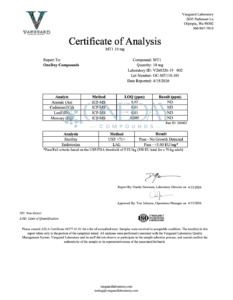
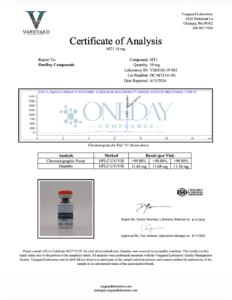
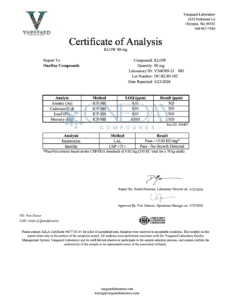
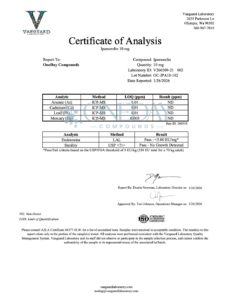
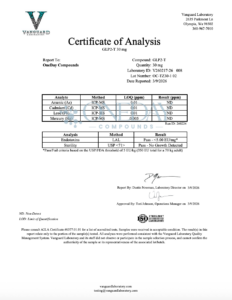
- Quality documentation: Look for relevant analytical reports, such as a certificate of analysis, when available.
- Testing details: Review whether documentation identifies the testing method, sample, date, and laboratory.
- Storage information: Check whether the supplier provides appropriate handling and storage information for the specific product.
- Supplier transparency: Look for accessible business contact details, clear policies, and accurate product descriptions.
- Regulatory status: Confirm whether the product is approved for the proposed use rather than relying on marketing language.
A certificate of analysis can provide useful information, but its existence alone does not guarantee product safety, authenticity, sterility, or regulatory compliance.
How to Evaluate Peptide Product Quality
Quality assessment is an important part of peptide research. Product labels alone cannot confirm the identity or purity of a compound.
First, examine the available analytical documentation. Depending on the product and testing purpose, methods such as mass spectrometry or high-performance liquid chromatography may help characterize identity or assess purity.
Next, consider the source of the documentation. Independent laboratory testing, traceable sample information, and clearly reported methods can help readers evaluate the strength of a quality claim.
In addition, check whether the product description avoids unsupported promises. Claims that a peptide guarantees a particular physical result, is risk-free, or is suitable for everyone should be treated with caution.
Finally, distinguish research documentation from authorization for human use. Analytical results do not establish that an unapproved product is safe or effective as a medicine.
What to Look for in a Peptide Supplier in the USA
People searching online for terms such as “where to buy peptides” or “peptide supplier USA” should assess the reliability and transparency of the information they find.
A responsible supplier should offer:
- Clear product descriptions and stated quantities.
- Relevant quality information and documentation where available.
- Transparent business and customer-service details.
- Clear shipping, returns, and order policies.
- Accurate statements about intended use and regulatory status.
- No unsupported medical claims or guarantees.
For businesses comparing retail and bulk suppliers, it is also important to review order terms, documentation availability, and applicable legal requirements before making a purchasing decision.
If you are researching suppliers, you can visit One Days Compounds to review the information published on the website. Evaluate any product against your specific research requirements and the applicable regulations.
Retail and Bulk Ordering: Important Considerations
Retail and bulk orders can involve different documentation and administrative needs. Before placing an order for any research material, confirm the supplier’s terms and the applicable rules for the product and intended use.
For individual orders, review the product description, stated quantity, shipping information, and customer-support policies.
For larger research orders, additional considerations may include batch traceability, available analytical documentation, consistent product identification, and written purchasing terms.
Bulk availability should not be interpreted as evidence of regulatory approval or suitability for human consumption. In every case, accurate documentation and compliance should take priority over promotional claims.
Why Choose One Days Compounds?
When researching peptide suppliers, visitors should be able to review clear product information and understand the limitations of the claims being made.
One Days Compounds provides an online destination for exploring its published product catalog and website policies.
Before choosing any supplier, take time to review the relevant product details, available documentation, contact information, and terms of sale. Compare these details with other credible sources instead of relying solely on advertising.
Our goal with this guide is to help readers make better-informed assessments of peptide-related information while recognizing the difference between scientific research, product quality, and approved medical use.
Frequently Asked Questions About Melanotan I 10MG
What is Melanotan I 10MG?
Melanotan I is associated with afamelanotide, a synthetic peptide that acts on melanocortin receptors involved in pigmentation. The 10MG label describes the stated quantity of material, not its verified quality or safety.
Is Melanotan I the same as afamelanotide?
The names are closely related in the scientific and historical literature. However, a product marketed as Melanotan I should not automatically be considered equivalent to the regulated prescription medicine SCENESSE.
Is Melanotan I FDA-approved for tanning?
The FDA-approved prescription product SCENESSE contains afamelanotide and is indicated for a specific medical condition, EPP. That approval is not authorization for unapproved Melanotan I products to be marketed or used as cosmetic tanning treatments.
How can buyers evaluate Melanotan I product quality?
Review the product identity, stated quantity, available analytical documentation, testing methods, storage information, and supplier transparency. No single document can guarantee every aspect of quality or safety.
Where can I learn more about peptide suppliers in the USA?
Start by reviewing supplier websites, product documentation, business policies, and relevant regulatory information. You can also explore One Days Compounds for its published product and business information.
Does a 10MG label guarantee purity?
No. The stated quantity does not independently verify purity, identity, sterility, or suitability for any particular application. Those questions require appropriate evidence and testing.
Conclusion
Melanotan I 10MG is a topic worth examining through credible scientific sources, clear product documentation, and careful attention to regulatory status. Understanding the difference between afamelanotide’s approved medical use and products marketed for other purposes is particularly important.
Whether you are researching peptide science, comparing suppliers in the United States, or reviewing quality standards, prioritize transparency, reliable evidence, and responsible decision-making.
Visit One Days Compounds to explore the website’s published information and policies. Always verify the regulatory status and intended use of a product before making decisions based on marketing claims.
Be the first to review “MELANOTAN I 10MG”
Related products
Research peptides
Research peptides


Research peptides
Research peptides
Research peptides
Research peptides
Research peptides
Research peptides
Reviews
There are no reviews yet.