
KPV 10MG: Research, Uses, Safety & Key Facts
KPV 10MG is a peptide compound that has attracted interest in laboratory research involving inflammatory pathways, cellular signaling, and biological processes associated with the naturally occurring α-melanocyte-stimulating hormone (α-MSH). Researchers continue to investigate KPV to better understand its potential biological activity.
This article provides general information about KPV 10MG, its research background, and important considerations surrounding peptide research. It does not provide medical advice, dosing instructions, or recommendations for human use.
What Is KPV?
KPV is a short peptide consisting of three amino acids: lysine, proline, and valine. It represents the C-terminal sequence of α-MSH, a naturally occurring peptide involved in several biological signaling pathways.
Scientists have studied KPV primarily because of its relationship to pathways involved in inflammation and cellular responses. Much of the interest comes from preclinical research rather than established clinical applications.
For researchers investigating peptide biology, KPV provides an interesting model for examining molecular mechanisms and biological signaling.
KPV 10MG in Peptide Research
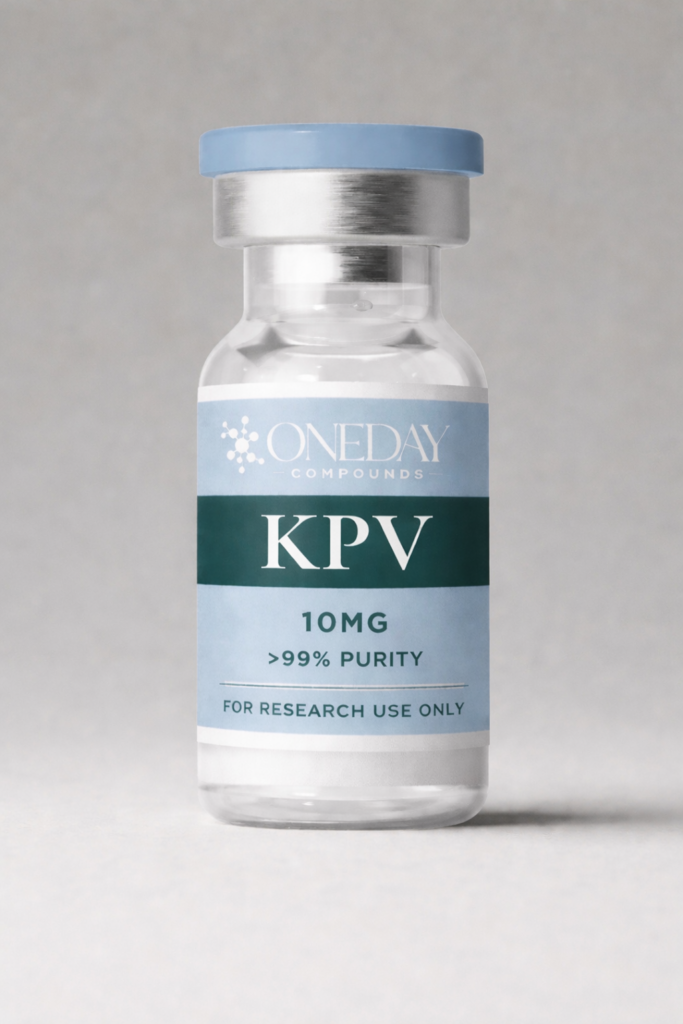
The “10MG” designation refers to the amount of KPV contained in a research product. It does not establish a clinically appropriate dose or indicate that the compound has been approved for a particular medical purpose.
Research involving KPV has explored mechanisms associated with inflammatory signaling and interactions between peptide pathways and cellular processes. These findings can provide useful scientific hypotheses, but laboratory results should not automatically be interpreted as evidence of effectiveness in humans.
Researchers should distinguish between preclinical findings, clinical evidence, and established medical uses when evaluating information about peptide compounds.
Why Are Researchers Interested in KPV?
KPV has received scientific attention because α-MSH-related peptides have been investigated in connection with biological processes involving inflammation and immune signaling.
Research interest includes areas such as:
- Cellular signaling
- Inflammatory pathway research
- Peptide biology
- Molecular mechanisms
- Laboratory studies of biological responses
The presence of research interest does not mean that KPV has an established therapeutic indication. Additional scientific investigation is necessary to determine its potential applications and limitations.
KPV 10MG and Current Scientific Evidence
One of the most important considerations when researching KPV is the distinction between experimental evidence and proven clinical outcomes.
Preclinical studies can help scientists identify possible mechanisms and develop hypotheses. Human clinical research requires separate evaluation involving appropriate study design, safety monitoring, pharmacokinetic analysis, and clinical endpoints.
Therefore, claims that KPV 10MG can treat, cure, prevent, or reliably improve a medical condition should not be made without appropriate clinical evidence.
For consumers and researchers alike, evaluating the source, methodology, publication quality, and relevance of scientific evidence is essential.
Safety Considerations
The safety profile of an experimental peptide cannot be assumed solely from its molecular structure or from laboratory findings.
Important considerations may include:
- Product identity and purity
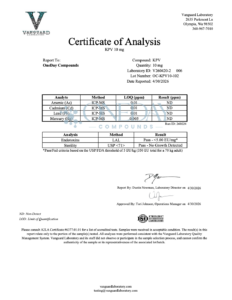
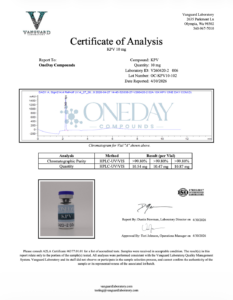
- Analytical testing
- Storage conditions
- Potential contamination
- Individual health circumstances
- Interactions with other substances
- Regulatory status
- Availability of human safety data
Anyone considering a substance for personal use should consult an appropriately qualified healthcare professional rather than relying on online product descriptions or anecdotal reports.
KPV 10MG: Research Compound vs. Approved Medicine
KPV should not automatically be described as an approved medication simply because scientific studies have investigated it.
A research compound and an approved therapeutic product are different categories. Regulatory approval generally requires substantial evidence regarding quality, safety, efficacy, manufacturing, and appropriate clinical use.
This distinction is particularly important when evaluating peptide-related websites and search results. Responsible content should clearly separate scientific information from medical claims.
How to Evaluate KPV Peptide Information
When researching KPV 10MG online, look for information that:
- Identifies whether evidence comes from laboratory, animal, or human research.
- Avoids exaggerated health claims.
- Distinguishes research findings from established medical applications.
- Provides transparent information about the source of scientific claims.
- Avoids presenting experimental compounds as substitutes for approved treatments.
These practices support better-quality information and help readers make informed decisions about what they encounter online.
KPV 10MG in the USA
Interest in peptide research continues to grow in the United States and internationally. However, regulatory requirements can vary depending on the substance, intended use, formulation, and jurisdiction.
Anyone researching KPV in the USA should check current information from appropriate regulatory and scientific authorities and understand the distinction between laboratory research and products intended for human administration.
Frequently Asked Questions
What is KPV 10MG?
KPV 10MG refers to a preparation containing 10 milligrams of the peptide KPV. KPV is a three-amino-acid peptide associated with the C-terminal sequence of α-MSH.
Is KPV an approved medication?
KPV should not be represented as an approved medication unless a relevant regulatory authority has specifically authorized a particular product and indication.
What is KPV studied for?
Research has investigated KPV in areas involving peptide biology, inflammatory signaling, cellular pathways, and related biological mechanisms.
Does research on KPV prove that it works in humans?
No. Preclinical research does not establish clinical effectiveness or safety in humans. Human clinical evidence must be evaluated separately.
Is KPV 10MG suitable for self-administration?
Information about an experimental peptide should not be interpreted as a recommendation for self-administration. Questions about personal use should be discussed with a qualified healthcare professional.
Final Thoughts
KPV 10MG is an interesting subject within peptide and molecular research. Its connection to α-MSH and its investigation in inflammatory and cellular pathways have contributed to scientific interest in the compound.
At the same time, responsible SEO content should avoid turning preliminary research into unsupported medical promises. Readers should evaluate the quality of available evidence, distinguish laboratory research from clinical medicine, and verify current regulatory information before making decisions involving experimental compounds.
For website publishers, this evidence-based approach also supports stronger Google E-E-A-T principles by prioritizing accuracy, transparency, responsible claims, and useful information over keyword repetition or exaggerated promises.
Be the first to review “KPV 10MG”
Related products
Research peptides
Research peptides
Research peptides
Research peptides
Research peptides
Research peptides
Research peptides
Research peptides
Reviews
There are no reviews yet.