
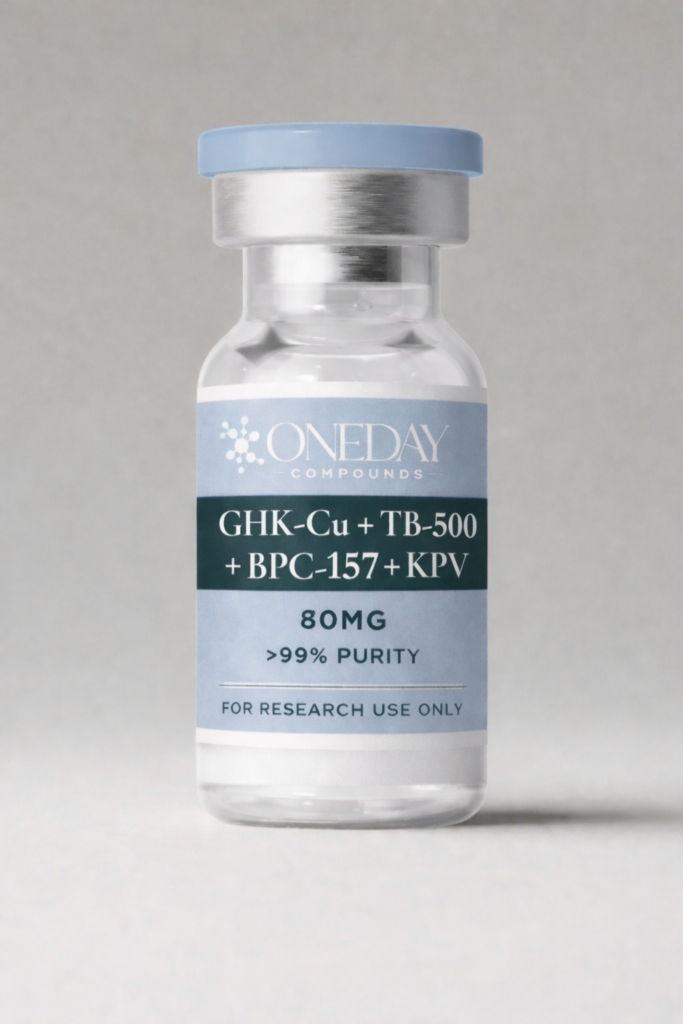
GHK-Cu + TB-500 + BPC-157 + KPV (KLOW BLEND) 80MG
Original price was: $139.99.$116.99Current price is: $116.99.
Explore KLOW Blend 80MG featuring GHK-Cu, TB-500, BPC-157, and KPV. Visit One Days Compounds to view product details and research information.
KLOW Blend 80MG: Understanding GHK-Cu, TB-500, BPC-157 and KPV
Introduction
Interest in peptide research continues to grow, and combination products are attracting attention from researchers who want to understand how different peptide compounds are studied. One product in this category is GHK-Cu + TB-500 + BPC-157 + KPV (KLOW Blend) 80MG.
This blend lists four peptide-related components: GHK-Cu, TB-500, BPC-157, and KPV. Each has a different research background, chemical identity, and set of scientific questions associated with it. However, combining these compounds does not establish that the blend is effective or safe for human use.
At One Days Compounds, customers can explore the company’s product catalog and review available product information. Whether you are comparing research products or evaluating suppliers in the United States, understanding the ingredients, documentation, and intended research use is an important first step.
What Is KLOW Blend 80MG?
KLOW Blend 80MG is the name of a combination product listing GHK-Cu, TB-500, BPC-157, and KPV. The 80MG designation refers to the stated total blend quantity; buyers should consult the product label or documentation to confirm the amount of each individual component.
The four compounds are not interchangeable. They have distinct structures and research histories, so each requires separate evaluation.
Before evaluating a combination product, consider these points:
- Confirm the identity of every listed component.
- Check whether the documentation specifies the quantity of each compound.
- Review available analytical testing and purity information.
- Verify the product’s stated research-use status.
- Avoid assuming that research findings about one ingredient apply to the entire blend.
These checks help researchers distinguish verified product information from marketing claims.
Understanding the Four Listed Components
1. GHK-Cu
GHK-Cu is a copper-binding peptide studied in laboratory research involving skin biology, cellular processes, and extracellular matrix-related pathways.
Research interest in GHK-Cu does not establish that every product containing it produces a particular outcome. The formulation, study conditions, and quality of the available evidence all matter.
When reviewing GHK-Cu as part of a combination product, look for clear ingredient identification and relevant analytical documentation.
2. TB-500
TB-500 is a name used for products associated with research on thymosin beta-4-related compounds. It is important to verify the precise molecular identity of any material sold under this name rather than assuming all products have identical compositions.
Scientific findings involving thymosin beta-4 cannot automatically be applied to every product marketed as TB-500. Researchers should examine the exact compound, study design, and evidence supporting any stated conclusion.
3. BPC-157
BPC-157 is a synthetic peptide investigated in preclinical research involving biological signaling and tissue-related processes.
Much of the available research is preliminary, and animal or laboratory findings do not establish safety or effectiveness in humans. More rigorous clinical evidence is needed to determine whether specific proposed uses are supported.
For this reason, product descriptions should distinguish experimental research from established medical evidence.
4. KPV
KPV is a short peptide associated with research into inflammatory signaling and related biological pathways.
Although it has attracted scientific interest, laboratory observations alone cannot demonstrate that a commercial blend containing KPV is safe or effective. Researchers should evaluate the evidence for the individual compound and the specific formulation separately.
What Does Current Research Say About KLOW Blend?
The four components have different research backgrounds, but evidence about individual ingredients is not proof that their combination works as intended.
To evaluate KLOW Blend 80MG responsibly, researchers should ask:
- Has the exact combination been studied in a controlled scientific setting?
- Are the individual ingredient quantities disclosed?
- Is there independent analytical testing for identity and purity?
- Are there published studies directly examining this formulation?
- Is there adequate evidence regarding interactions and potential risks?
Without reliable evidence on the exact blend, it is not appropriate to claim that the combination delivers specific health, recovery, skin, or anti-aging benefits.
This distinction is important when comparing peptide products online. Reliable information should explain what is known, what remains uncertain, and which claims lack sufficient evidence.
What Buyers Should Know Before Evaluating KLOW Blend 80MG
If you are researching KLOW Blend 80MG, start by reviewing the product’s documentation rather than relying on its name alone.
Check the total quantity. Confirm what the 80MG designation represents and whether individual ingredient amounts are provided.
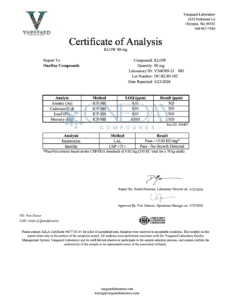
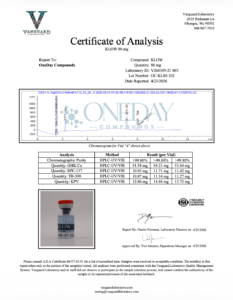
Review analytical documentation. When available, examine certificates of analysis and identify the laboratory responsible for testing. A useful report should clearly identify the material tested and the analytical methods used.
Check storage and handling information. Follow the manufacturer’s documented requirements. Do not assume that different peptide products share identical storage conditions or stability characteristics.
Understand the limitations of the evidence. A product listing, purity statement, or laboratory study does not establish that a compound is approved for human use.
Confirm the intended use. Research-labeled products should be evaluated within their stated research context and should not be treated as approved medicines.
These steps provide a more informed basis for evaluating research materials and comparing suppliers.
How to Evaluate a Peptide Supplier in the USA
When searching online for where to buy peptides, it is important to look beyond price and product names. A supplier should provide clear product descriptions and accessible information that allows buyers to assess what is being offered.
Consider the following factors:
- Product transparency: Look for clearly stated compound names, quantities, and relevant limitations.
- Documentation: Review available testing records and certificates of analysis.
- Business information: Check the supplier’s contact details, policies, and applicable business terms.
- Order information: Understand shipping arrangements, payment terms, and return policies before ordering.
- Responsible communication: Be cautious of sellers promising guaranteed medical results or presenting preliminary research as established treatment evidence.
For customers comparing research product listings, visit One Days Compounds to review the available catalog and product information.
A supplier’s website alone does not prove product quality. Independent documentation and appropriate verification remain important.
Retail and Bulk Research Orders
Some research suppliers offer individual product quantities as well as bulk ordering options. Before placing an order, confirm that the supplier supports your intended purchase quantity and provides clear ordering terms.
For retail orders, review the listed quantity, product description, and available documentation. For bulk orders, also ask about batch identification, consistency between lots, applicable shipping arrangements, and the availability of testing records.
Researchers should compare products on the basis of documented identity, quality information, and suitability for the intended laboratory work rather than relying on price alone.
You can explore the One Days Compounds online catalog to review available listings and contact the supplier with questions about product documentation or order requirements.
Why Review One Days Compounds?
One Days Compounds serves as an online catalog for customers exploring peptide-related research products. When evaluating any supplier, it is sensible to review the available product details and business policies before making a purchasing decision.
Start with the official One Days Compounds website to browse its catalog.
Before proceeding with any order, verify the specific product listing, applicable research-use restrictions, available quality documentation, and relevant shipping and return terms. Buyers should independently assess whether the available information meets their requirements.
No supplier should be selected solely on the basis of promotional language or unsupported claims.
Frequently Asked Questions
What is KLOW Blend 80MG?
KLOW Blend 80MG is a combination product listing GHK-Cu, TB-500, BPC-157, and KPV. Confirm the exact composition and individual quantities using the product’s documentation.
What does 80MG mean in KLOW Blend?
The designation indicates the stated total blend quantity. It does not, by itself, disclose how much of each component is present.
Are GHK-Cu, TB-500, BPC-157, and KPV the same compound?
No. They have different chemical identities and research backgrounds. Evidence about one compound cannot automatically be applied to the others or to a combination containing all four.
Is KLOW Blend 80MG proven safe and effective for human use?
The product name and its individual ingredients do not establish that the combination is safe or effective in humans. Reliable evidence would need to address the exact formulation, and research products should not be treated as approved medicines.
Where can I find information about KLOW Blend 80MG in the USA?
You can begin by reviewing the One Days Compounds website. Check the available product description, documentation, and applicable terms before making a decision.
What should I check before choosing a research peptide supplier?
Review product identity, available independent testing, batch documentation, business information, shipping terms, and the supplier’s statements about intended use. Avoid relying on unsupported health claims.
Conclusion
GHK-Cu + TB-500 + BPC-157 + KPV (KLOW Blend) 80MG combines four distinct compounds that should be evaluated individually as well as within the exact formulation. Understanding the ingredients, examining available documentation, and distinguishing preliminary research from established evidence are essential steps in responsible product evaluation.
If you are comparing peptide research products or looking for a USA-focused supplier catalog, visit One Days Compounds to review available product information.
Make informed decisions based on verifiable documentation, transparent product details, and appropriate research-use limitations rather than unsubstantiated claims.
Be the first to review “GHK-Cu + TB-500 + BPC-157 + KPV (KLOW BLEND) 80MG”
Related products
Research peptides
Research peptides
Research peptides
Research peptides
Research peptides
Research peptides
Research peptides
Research peptides
Reviews
There are no reviews yet.