
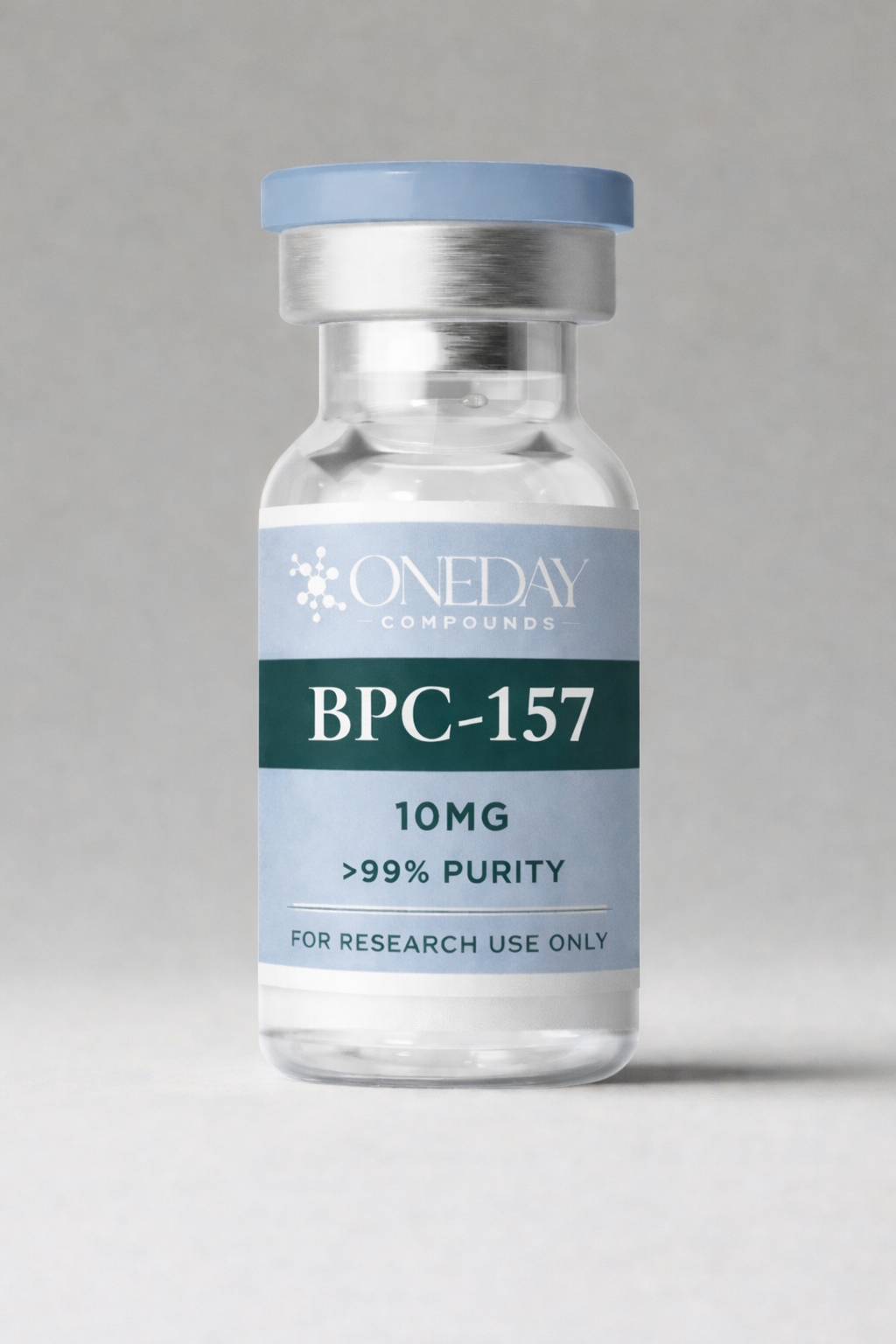
BPC-157 10MG
Original price was: $49.99.$29.74Current price is: $29.74.
BPC-157 10MG is a research peptide intended for laboratory and scientific research purposes. This product contains 10MG of BPC-157 in a research-focused formulation. Explore available product information, specifications, and handling details before purchase. Not approved for human use, diagnosis, treatment, or prevention of any disease.
BPC-157 10MG: Uses, Research and Safety Information
BPC-157 10MG is a peptide that has attracted attention in scientific and research communities because of its proposed biological activity. Interest in BPC-157 has increased as researchers investigate peptides involved in cellular signaling, tissue processes, and other biological pathways.
This guide provides general educational information about BPC-157 10MG, its research background, potential areas of scientific interest, and important safety considerations. It is not medical advice and should not be interpreted as instructions for human use.
What Is BPC-157?
BPC-157 is a synthetic peptide derived from a sequence associated with a naturally occurring protein found in the gastrointestinal system. Researchers have investigated BPC-157 primarily in laboratory and animal models.
The peptide has received attention because experimental research has examined its possible relationship with processes involving tissue repair, inflammation, blood vessels, and the gastrointestinal system.
However, research findings from laboratory or animal studies do not automatically establish that a substance is safe or effective for people.
Understanding BPC-157 10MG
The term “10MG” generally describes the quantity of BPC-157 contained in a product or research preparation. The amount listed on a label should not be interpreted as a recommended human dose.
For researchers and consumers evaluating peptide information, it is important to distinguish between:
- The amount contained in a preparation
- Experimental concentrations used in research
- Clinical dosing established through approved human studies
- A manufacturer’s labeling and intended-use statements
These categories are not interchangeable.
What Does Research Examine?
Scientific interest in BPC-157 has focused on several biological areas. Preclinical research has investigated possible effects involving gastrointestinal tissues, connective tissues, blood vessels, and inflammatory processes.
Much of the available evidence remains preclinical. That distinction matters because laboratory findings can provide hypotheses for future research without establishing clinical benefits.
People researching BPC-157 should therefore examine the quality of available evidence rather than relying on marketing claims, testimonials, or unsupported promises.
BPC-157 and Tissue Research
One area of scientific interest involves tissue-related processes. Experimental studies have explored whether BPC-157 may influence mechanisms associated with tissue recovery and cellular activity.
These findings have generated additional research interest, but they should not be interpreted as proof that BPC-157 can treat injuries or medical conditions in humans.
A responsible educational resource should clearly separate experimental findings from established medical treatments.
BPC-157 and Gastrointestinal Research
Researchers have also investigated BPC-157 in experimental models involving the gastrointestinal system.
These studies contribute to the scientific discussion surrounding the peptide, but preclinical results cannot establish whether the same effects occur in humans.
Anyone researching gastrointestinal health should consult a qualified healthcare professional rather than attempting to substitute an experimental peptide for established medical care.
Safety Considerations
Safety represents an important consideration when researching BPC-157 10MG.
The availability of a peptide online does not necessarily establish that it has been approved for a particular medical purpose. Product quality, identity, purity, sterility, storage conditions, contamination, and labeling accuracy can also affect risk.
Consumers should be especially cautious about websites making claims that a peptide can cure diseases, guarantee recovery, produce dramatic physical changes, or replace professional medical treatment.
BPC-157 should not be treated as an established therapy simply because it appears frequently in online discussions.
Why Product Quality Information Matters
When evaluating peptide-related information, transparency is important. A credible educational or research-oriented resource should explain what is known, what remains uncertain, and where evidence is limited.
Useful information can include:
- Clearly identified ingredients
- Accurate product labeling
- Batch or lot information where applicable
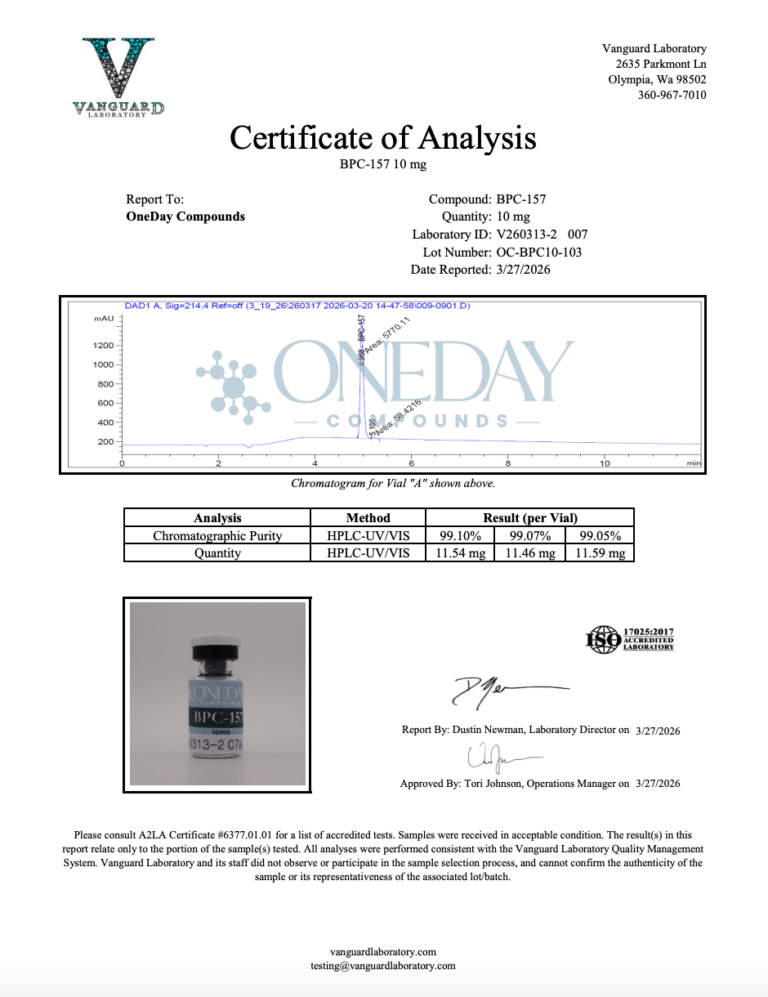
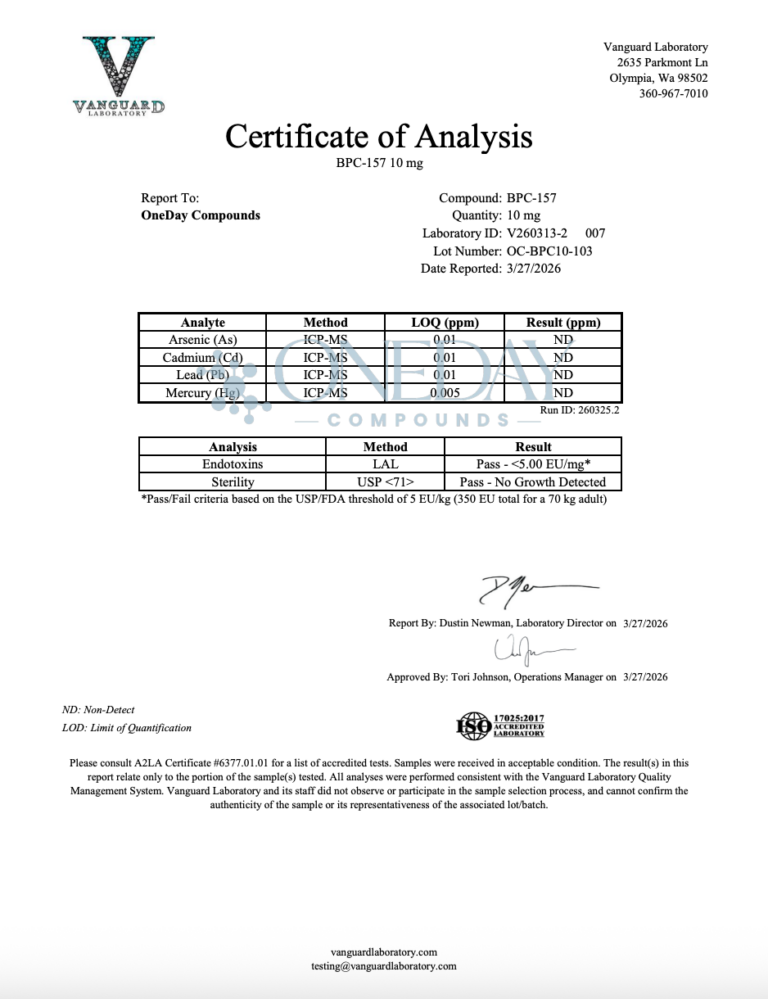
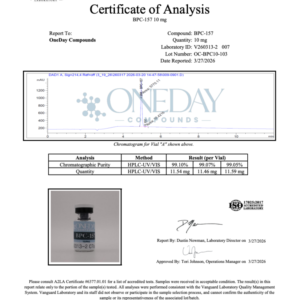
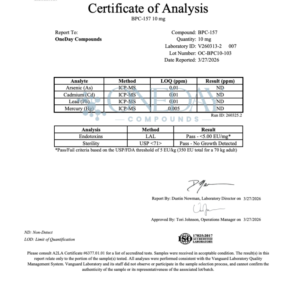
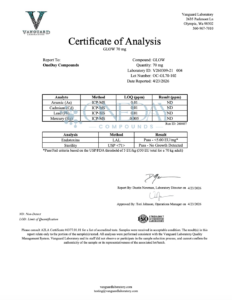
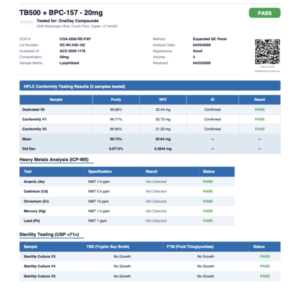
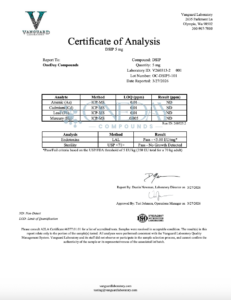
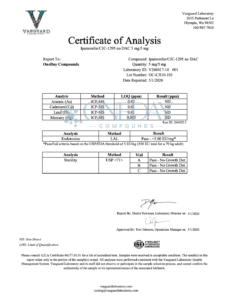
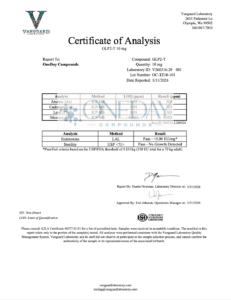
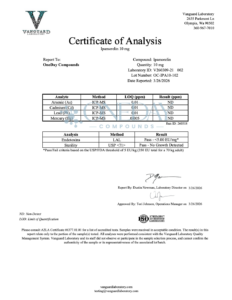
- Independent analytical documentation where available
- Appropriate storage information
- Clear statements regarding intended use
- Transparent business and contact information
These factors can help readers distinguish evidence-based information from unsupported marketing claims.
BPC-157 Research in the USA
Interest in peptide research continues across the United States and other parts of the world. Regulatory status and permitted uses can vary depending on the substance, jurisdiction, product classification, and intended application.
For that reason, businesses and consumers should verify applicable federal, state, and local requirements before making decisions involving research peptides.
Regulatory status can also change over time. Current official sources should be checked rather than relying on outdated blog posts or social-media claims.
Frequently Asked Questions
What is BPC-157 10MG?
BPC-157 10MG refers to a preparation containing 10 milligrams of BPC-157. The 10MG designation describes quantity and does not establish a recommended medical dose.
Is BPC-157 FDA-approved for treating injuries?
Readers should verify current regulatory information directly through appropriate U.S. regulatory sources. Experimental research should not be confused with FDA approval or established medical treatment.
What is BPC-157 studied for?
Preclinical research has examined BPC-157 in areas including gastrointestinal, tissue, vascular, and inflammatory processes. Much of this evidence remains experimental.
Is BPC-157 safe for human use?
Available evidence should be evaluated carefully because preclinical research does not establish safety or effectiveness in humans. Anyone considering an experimental substance should discuss the issue with an appropriately qualified healthcare professional.
Final Thoughts
BPC-157 10MG remains an area of interest in peptide research, particularly because of findings from laboratory and animal studies. At the same time, responsible information should acknowledge the limitations of the available evidence.
Rather than relying on exaggerated claims or repeated search keywords, readers should look for transparent information, distinguish research findings from proven medical benefits, and verify current regulatory requirements.
For a website publishing information about peptides, providing original educational material, transparent sourcing, accurate claims, and clear intended-use information creates a stronger foundation for long-term search visibility than keyword-heavy promotional pages.
Be the first to review “BPC-157 10MG”
Related products
Research peptides
Research peptides
Research peptides
Research peptides
Research peptides
Research peptides
Research peptides
Research peptides
Reviews
There are no reviews yet.