
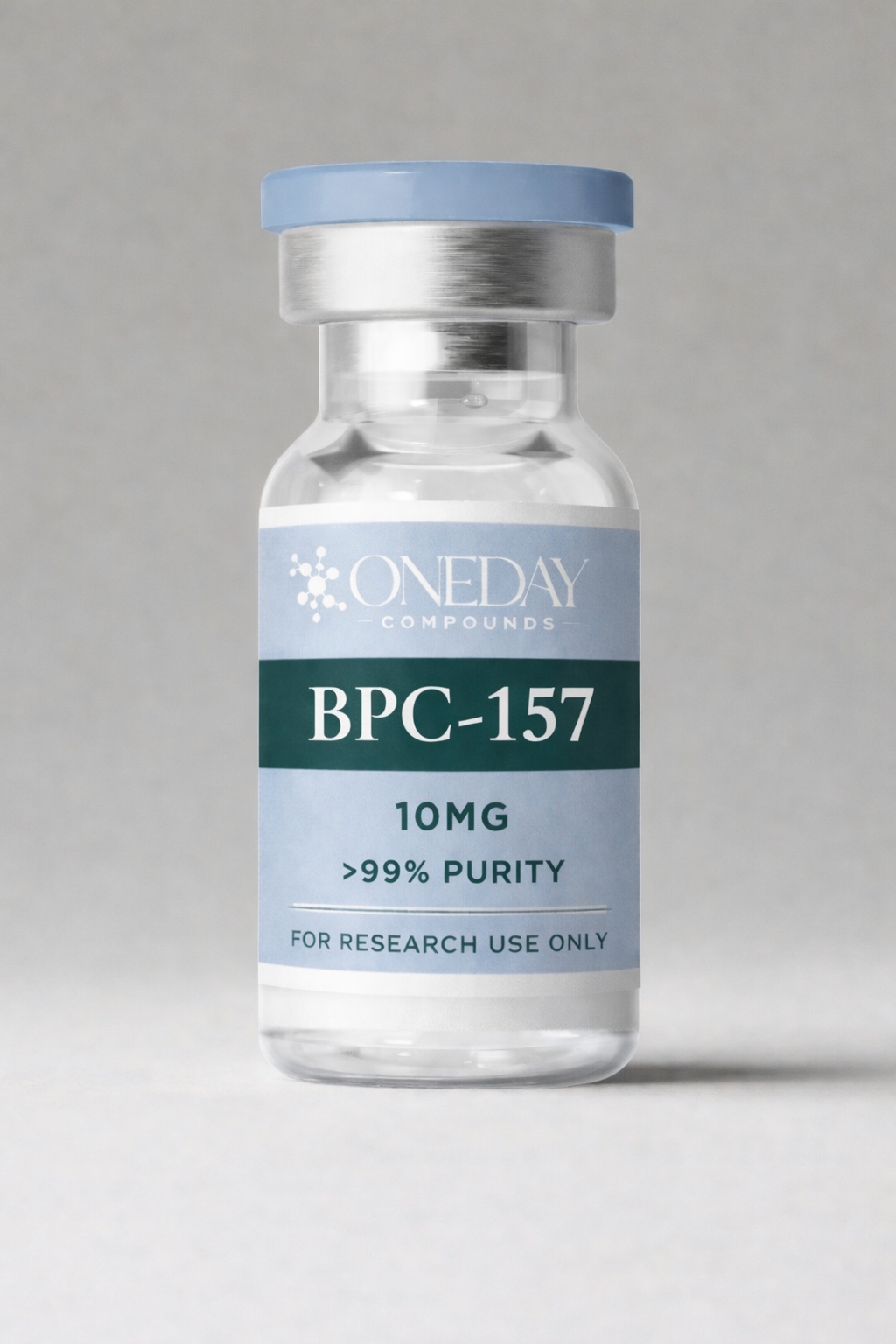
BPC-157 10MG
Original price was: $49.99.$29.74Current price is: $29.74.
Explore BPC-157 10MG at One Days Compounds. Review product details and available quality documentation from a USA-focused peptide supplier offering retail and bulk ordering options. For research purposes only; not approved for human use.
BPC-157 10MG: Research Information and a Guide to Choosing a USA Peptide Supplier
Introduction
BPC-157 10MG is a peptide that has attracted scientific interest because of its potential biological effects. Researchers continue to explore its properties, but important questions about its safety and effects in humans remain unanswered.
If you are researching BPC-157, understanding the available evidence is an essential first step. It is also important to evaluate product documentation, supplier transparency, and applicable regulations before making purchasing decisions.
At One Days Compounds, we focus on providing information for customers exploring peptide-related research products. Our website serves a USA-focused audience, including customers interested in retail and bulk-order options, subject to applicable laws and product restrictions.
What Is BPC-157 10MG?
BPC-157 is a synthetic peptide consisting of 15 amino acids. Its name refers to a body-protection compound studied primarily in preclinical research.
The 10MG designation describes the stated quantity of peptide in a product. However, the amount listed on a label does not establish purity, biological activity, safety, or suitability for a particular application.
Scientists have investigated BPC-157 in laboratory and animal studies. These studies have explored various biological processes, but their findings cannot automatically be applied to humans.
For that reason, anyone researching BPC-157 should distinguish between preliminary scientific findings and established clinical evidence.
Why Is BPC-157 Researched?
Researchers have explored BPC-157 because of its possible interactions with biological pathways involved in tissue responses and other physiological processes.
Much of the available research remains preclinical. This means that findings from laboratory experiments and animal models do not establish that the peptide is safe or effective for treating human conditions.
Several important questions remain:
- What effects, if any, does BPC-157 have in humans?
- What are its potential short-term and long-term risks?
- How do purity, impurities, and product formulation affect research results?
- What additional controlled studies are needed to establish its safety profile?
These questions highlight why reliable scientific evidence matters when evaluating experimental peptides.
What Does Current Research Say About BPC-157?
Preclinical studies have reported biological effects that warrant further investigation. However, the available evidence is not sufficient to establish BPC-157 as a proven treatment for injuries, inflammation, or other medical conditions.
The US Food and Drug Administration (FDA) has identified concerns regarding compounded drugs containing BPC-157. These include potential immunogenicity risks, difficulties in characterizing the active ingredient, and limited safety information for proposed routes of administration.
You can review the FDA’s information here:
FDA information on BPC-157 and bulk drug substances.
BPC-157 is not an FDA-approved human drug. Its regulatory status and permitted uses should be checked before purchasing, supplying, or using any product containing it.
What Should Buyers Know About BPC-157 10MG?
When evaluating a research peptide, the product name and stated quantity are only part of the picture. Clear documentation and transparent supplier practices are also important.
Consider the following factors when reviewing a product.
1. Product identification
Check whether the product label clearly identifies the compound and its stated quantity. Product descriptions should be consistent with the available documentation.
2. Purity documentation
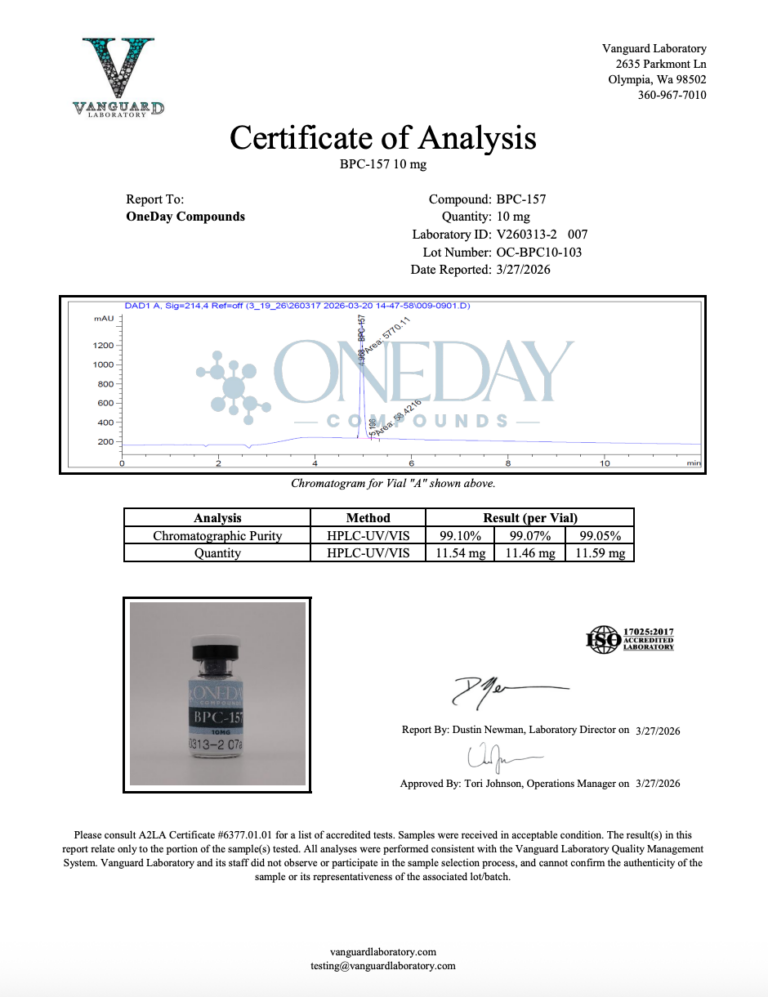
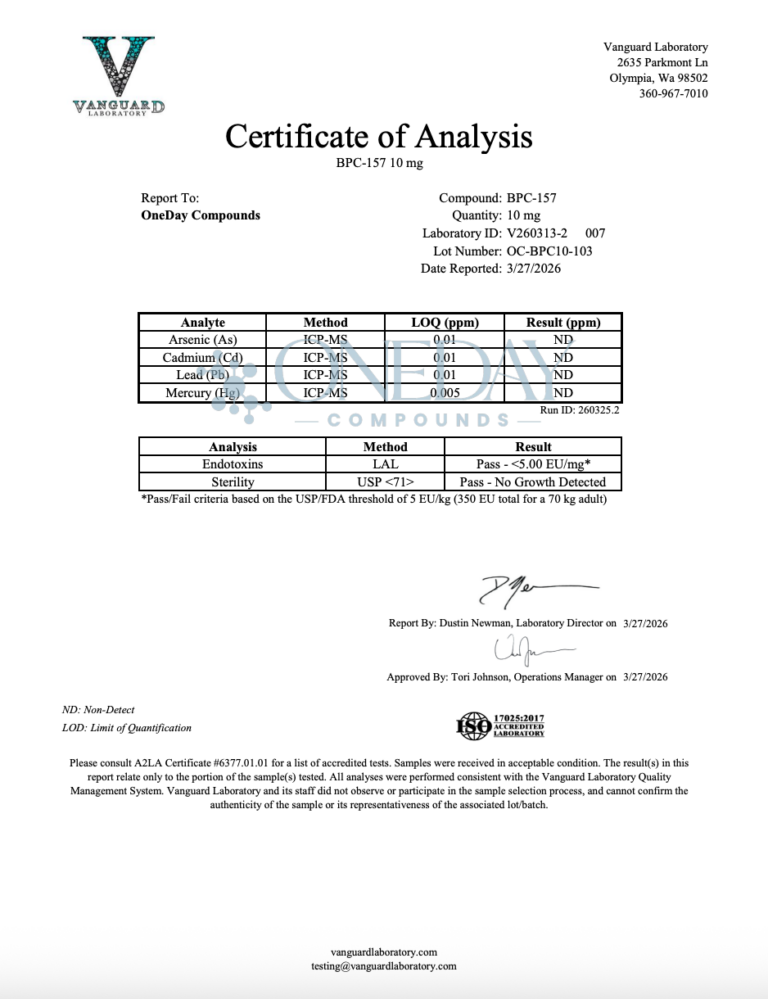
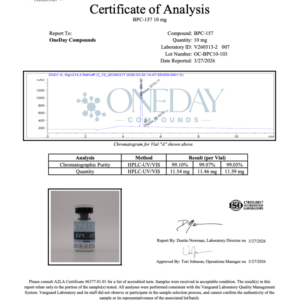
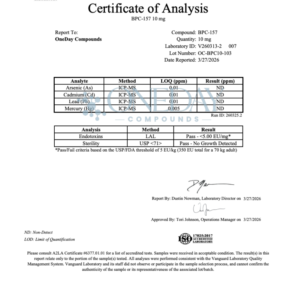
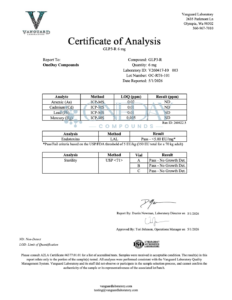
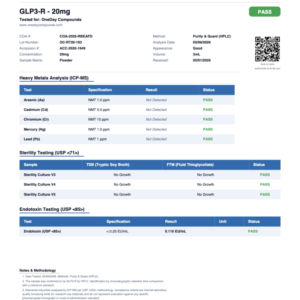
Ask whether relevant analytical documentation is available. A certificate of analysis (COA) should identify the tested material, analytical methods, results, and testing laboratory where applicable.
A COA should not be treated as automatic proof of safety, sterility, or suitability for human use.
3. Batch traceability
Batch or lot identification can help connect a product to its associated documentation. Traceability supports more informed quality assessments.
4. Transparent product information
A responsible supplier should communicate material limitations clearly. Avoid relying on unsupported promises about healing, performance, or medical benefits.
5. Regulatory compliance
Research peptides may be subject to restrictions that vary according to their intended use, product claims, and applicable jurisdiction. Confirm that the supplier’s activities and the proposed purchase comply with relevant requirements.
How to Evaluate a USA Peptide Supplier
If you search online for a peptide supplier in the United States, compare more than price alone. A useful evaluation should consider documentation, business transparency, customer support, and compliance.
Here are several questions to ask:
- Does the business provide clear contact and company information?
- Are product specifications easy to understand?
- Can the supplier explain what its quality documents establish and what they do not establish?
- Are shipping terms, payment conditions, and order policies clearly stated?
- Does the business avoid misleading medical claims?
- Does the supplier explain any restrictions on product availability or intended use?
These checks can help researchers and purchasing teams assess vendors more carefully.
Retail and Bulk Ordering Considerations
Retail and bulk purchasing can involve different documentation and logistical requirements. Before placing an order, clarify the quantity required, applicable restrictions, shipping arrangements, and documentation available for the relevant batch.
For institutional or commercial research procurement, consider whether the supplier can provide appropriate invoices, product identification, and supporting quality records.
Bulk purchasing should not replace quality verification. Larger quantities do not guarantee better quality, and a lower unit price does not establish that a product meets the buyer’s requirements.
For general information about available offerings, visit the One Days Compounds website. Review the relevant product details and applicable terms before proceeding.
Why Consider One Days Compounds?
One Days Compounds serves a USA-focused audience interested in peptide-related products and research information. The website is a starting point for reviewing available listings and learning about the business’s purchasing policies.
When evaluating any supplier, customers should review the information provided, ask questions about documentation when necessary, and confirm that a product is suitable for its lawful intended purpose.
Explore the One Days Compounds online shop to review the website’s available information.
Before making a decision, verify current product availability, applicable shipping restrictions, and the terms governing any retail or bulk order. Do not assume that a product listing establishes regulatory approval or suitability for human use.
Frequently Asked Questions
What is BPC-157 10MG?
BPC-157 is an experimental synthetic peptide studied mainly in preclinical research. The 10MG designation indicates the stated quantity of peptide in a product, not its proven effectiveness or safety.
Is BPC-157 FDA-approved?
BPC-157 is not an FDA-approved human drug. Its legal status may depend on the context in which it is manufactured, marketed, supplied, or used.
What should I look for when evaluating BPC-157 product quality?
Review product identification, batch traceability, relevant analytical documentation, and supplier transparency. Laboratory documentation should be assessed carefully because it does not establish that a product is safe for human use.
Where can I find information about peptide suppliers in the USA?
Start by reviewing supplier websites, product documentation, business policies, and applicable regulatory requirements. You can visit One Days Compounds to review its available website information.
What should I know before considering a bulk peptide order?
Confirm the product specifications, required documentation, order terms, shipping arrangements, and relevant legal restrictions. Bulk orders require the same careful quality assessment as smaller purchases.
Can BPC-157 be used to treat injuries?
BPC-157 has not been established as a safe and effective treatment for injuries in humans. Preliminary animal or laboratory findings are not a substitute for clinical evidence or professional medical advice.
Conclusion
BPC-157 10MG remains an experimental peptide with important unanswered questions about human safety and effectiveness. Understanding the scientific evidence, reviewing product documentation, and checking applicable regulations are essential when evaluating this compound.
For anyone researching peptide suppliers in the USA, transparent product information and responsible business practices should be priorities. Explore One Days Compounds for general website and product information, and verify the details relevant to your intended lawful purpose before making a purchasing decision.
Research responsibly: Never interpret an experimental peptide’s availability for sale as proof that it is approved or safe for human use.
Be the first to review “BPC-157 10MG”
Related products
Research peptides
Research peptides
Research peptides
Research peptides


Research peptides
Research peptides
Research peptides


Research peptides
Reviews
There are no reviews yet.